The Future of AI in Digital Marketing: Navigating the New Frontier
Artificial Intelligence (AI) is no longer a futuristic concept but a present-day reality, rapidly reshaping industries across the globe. In digital marketing, its impact is particularly profound, promising unprecedented levels of personalization, efficiency, and insight. As AI technologies continue to evolve at a breathtaking pace, understanding their current applications and future potential is crucial for any business aiming to stay competitive.

Current Applications of AI in Digital Marketing
AI has already integrated itself into numerous facets of digital marketing, offering solutions that were once considered impossible. Its capabilities span from automating repetitive tasks to generating deep, actionable insights from vast datasets.
Personalized Customer Experiences
One of AI's most significant contributions is its ability to deliver hyper-personalized experiences. By analyzing user behavior, preferences, and historical data, AI algorithms can tailor content, product recommendations, and even website layouts to individual users. This level of personalization significantly enhances engagement and conversion rates.
- Content Recommendation Engines: Platforms like Netflix and Amazon use AI to suggest content or products based on past interactions.
- Dynamic Ad Creative: AI can generate multiple ad variations and dynamically show the most effective one to specific audience segments.
- Personalized Email Marketing: AI tools segment audiences and craft emails with tailored messages and offers, increasing open and click-through rates.
Data Analysis and Predictive Analytics
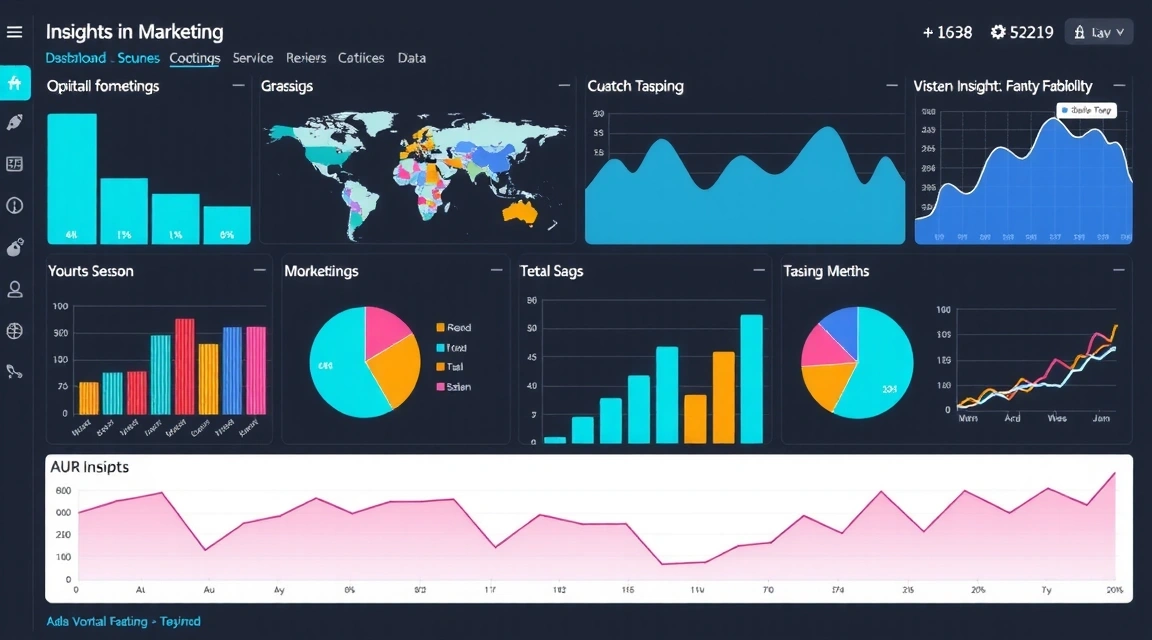
The sheer volume of data generated in digital marketing can be overwhelming. AI excels at processing and interpreting this data, identifying patterns and making predictions that humans might miss. This allows marketers to make data-driven decisions with greater confidence.
- Audience Segmentation: AI can identify intricate segments within your audience, revealing niche groups with unique needs.
- Churn Prediction: AI models can predict which customers are likely to churn, allowing marketers to intervene proactively.
- Trend Forecasting: By analyzing historical data and external factors, AI can forecast future market trends, helping businesses adapt their strategies.
Automation of Tasks
AI's ability to automate repetitive and time-consuming tasks frees up marketers to focus on more strategic initiatives. This not only boosts productivity but also reduces the potential for human error.
- Chatbots and Virtual Assistants: AI-powered chatbots handle customer inquiries 24/7, improving customer service and lead qualification.
- Programmatic Advertising: AI optimizes ad buying in real-time, ensuring ads are shown to the right audience at the right time and price.
- Content Curation: AI can identify and curate relevant content for social media, blogs, and email newsletters, saving significant time.
The Future Landscape: What's Next for AI in Marketing?
The future holds even more exciting possibilities. As AI becomes more sophisticated, we can expect to see even more seamless integration and innovative applications that push the boundaries of what's possible in digital marketing.
Advanced Content Generation
While AI already assists with content creation, its ability to generate high-quality, long-form content will become increasingly refined. Expect AI to produce not just text, but also video scripts, social media posts, and even basic visual assets with minimal human oversight.
"The most profound technologies are those that disappear. They weave themselves into the fabric of everyday life until they are indistinguishable from it."— Mark Weiser
Hyper-Realistic Customer Simulations
Imagine testing marketing campaigns against virtual customers that accurately mimic real-world behavior. AI could create highly detailed customer simulations, allowing marketers to refine strategies and predict outcomes without real-world risks.
Enhanced Voice and Visual Search Optimization
With the rise of voice assistants and visual search tools, AI will play a critical role in optimizing content for these new search paradigms. Marketers will need to adapt their SEO strategies to account for conversational queries and image recognition.

Challenges and Ethical Considerations
Despite its immense potential, the widespread adoption of AI in digital marketing comes with challenges. Ensuring data privacy, avoiding algorithmic bias, and maintaining transparency in AI's decision-making processes are critical ethical considerations that must be addressed.
- Data Privacy: The collection and use of vast amounts of personal data raise concerns about privacy and security.
- Algorithmic Bias: If AI models are trained on biased data, they can perpetuate and even amplify existing societal biases.
- Transparency: The "black box" nature of some AI algorithms makes it difficult to understand how decisions are made, posing challenges for accountability.
Conclusion: Embracing the AI Revolution
The future of AI in digital marketing is not about replacing human marketers, but about augmenting their capabilities. By embracing AI tools, marketers can unlock new levels of creativity, efficiency, and personalized engagement. Those who adapt to this new paradigm will be best positioned to thrive in the evolving digital landscape.
At Brandpeak s.r.o., we are at the forefront of integrating AI into our digital marketing strategies, helping our clients leverage these powerful tools for unparalleled growth. Contact us today to learn how AI can transform your marketing efforts.